Dog Won't Poop on Leash? Why It Happens and What to Do
By Poo Squad /
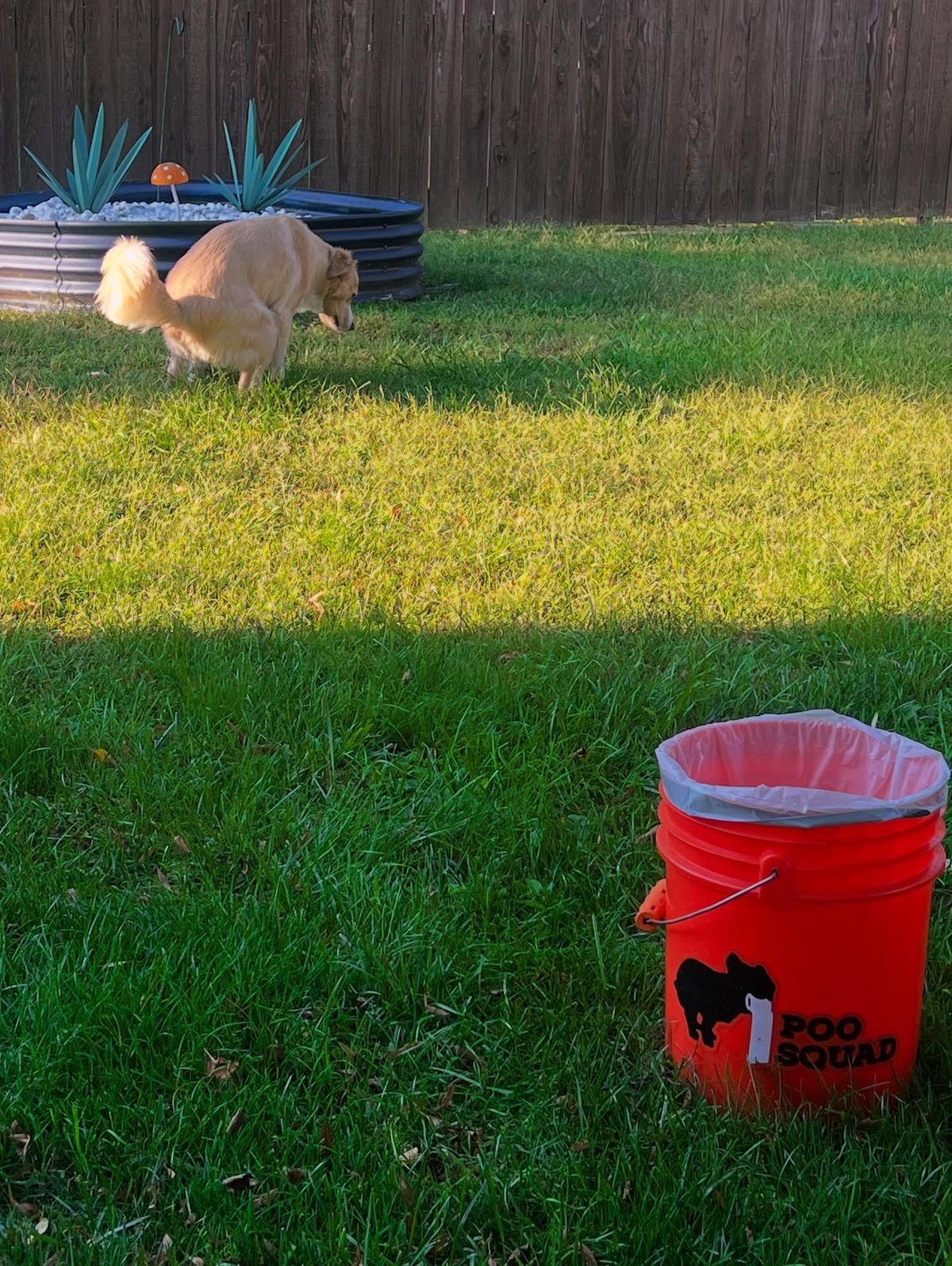
Most dogs that won't poop on leash aren't being stubborn. They're uncomfortable: the leash is too short to sniff and circle, the walk is too exciting, or they learned somewhere along the way that pooping near you is risky. The fix is usually simple: more leash, more time, one boring spot, and a big reward the second they go.
If you've ever walked your dog for 40 minutes, given up, and watched them unload in the yard 30 seconds after you unclipped the leash, you're in good company. It's one of the most common potty puzzles out there, and it's fixable. Below, we'll walk through why it happens, when holding it is fine and when it's a vet call, and a step-by-step plan to get your dog going on leash.
Why Won't My Dog Poop on a Leash?
Pooping is a vulnerable moment for a dog. They want the right spot, the right smell and a little privacy. A leash can get in the way of all three. Here are the usual reasons.
1. The Leash Is Too Short to Sniff and Circle
Dogs don't pick a spot at random. They sniff, walk a few steps, sniff again and often circle before they squat. On a 4 to 6 foot leash held tight, your dog can't do that routine, so they give up. If you've ever wondered about the spinning, our guide on why dogs circle before pooping explains what it's for.
2. They Learned to Poop Only in the Yard
A dog that grew up going in a fenced yard has learned one rule: poop happens off leash, on familiar grass. Pee pads, a dog run or a patio corner can create the same habit. Nobody ever taught them that the sidewalk strip counts too.
3. Pooping Means the Walk Is Over
Dogs are sharp about patterns. If you head home the moment they finish, they figure out that holding it keeps the fun going. Then they wait until they're back home, which is why some dogs poop right after coming inside.
4. They Got Scolded for an Accident Once
A dog that was yelled at or punished for pooping indoors doesn't learn "not in the house." Often they learn "don't poop where my person can see." On a leash, you're always right there, so they hold it. This is common in rescue dogs whose history you don't know.
5. The Walk Is Too Exciting or Too Scary
Squirrels, other dogs, kids on bikes, trucks, a barking fence. Some dogs are too busy watching the world to relax. Nervous dogs may feel exposed squatting out in the open, especially near traffic or loud noises.
6. They Just Want a Little Privacy
Some dogs prefer to go behind a bush or at the edge of tall grass. If you're standing right over them and staring, they may walk away from the spot. (Yes, the staring goes both ways. See why your dog stares at you while pooping.)
When Holding It Is No Big Deal
A healthy adult dog skipping a poop on one walk is normal. Plenty of dogs go once or twice a day, and they can comfortably wait a few hours for the spot they like. Our article on how long a dog can hold their poop covers what's typical by age.
Here's what "no big deal" usually looks like:
- Your dog poops normally once they're off leash or back home.
- The poop looks like their usual: formed, brown, easy to pick up.
- They're eating, drinking, playing and acting like themselves.
- It's a habit you've seen for a while, not something brand new.
In that case, you're dealing with a training issue, not a health one. Good news: training issues respond to patience.
When It Means Trouble and It's Time to Call Your Vet
Sometimes a dog that won't poop on a leash isn't choosing to hold it. They may not be able to go. Call your vet if you notice any of these:
- Straining with nothing coming out. Squatting over and over without results can be constipation. It can also be a urinary blockage, which looks similar and is an emergency, so call the same day.
- No poop at all for a couple of days, even off leash or in the yard.
- Crying, hunching or a tender belly when they try to go.
- Blood, mucus, very hard dry poop or diarrhea.
- Vomiting, a swollen belly, low energy or skipping meals.
- A sudden change in a dog that used to go on walks with no fuss.
A sudden change matters most. Pain from arthritis, a sore hip or an anal gland problem can make squatting uncomfortable, and a dog may avoid it. Older dogs especially can start holding it because getting into position hurts. The team at VCA Animal Hospitals has a clear overview of constipation in dogs if you want to know what your vet may check. Please don't try to treat it at home first. When in doubt, call your vet.
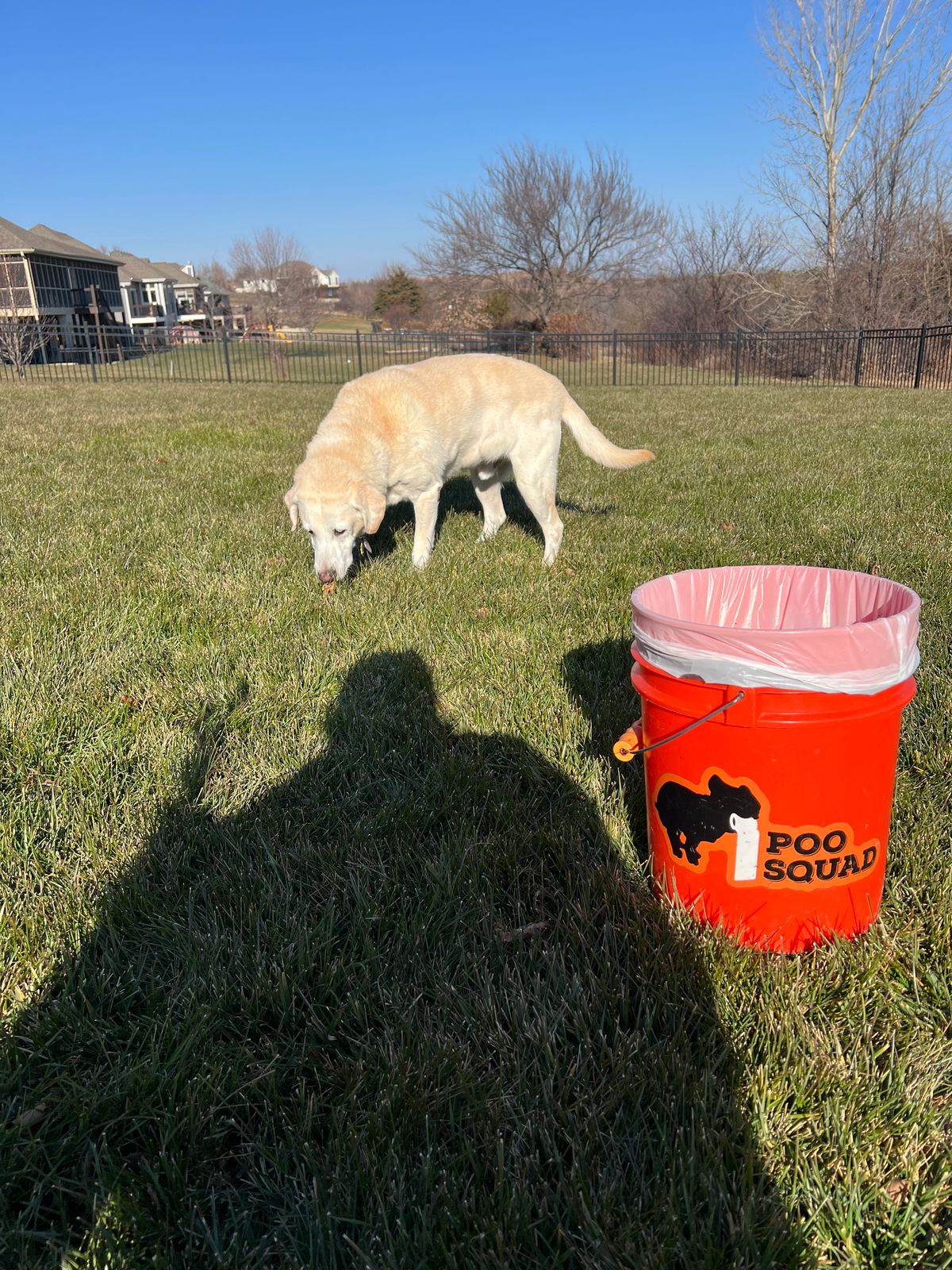
Step 1: Give Your Dog More Leash and More Time
This one change fixes a lot of dogs. A short, tight leash keeps your dog walking at your pace, not sniffing at theirs.
- Loosen up. Let the leash hang in a relaxed J shape so your dog can stop and sniff without being pulled along.
- Try a long line. A 15 to 20 foot long line in a quiet, open area (away from roads) gives your dog room to wander, sniff and circle like they would in the yard.
- Slow down. The first 10 to 15 minutes of a walk should be a "sniff walk," not an exercise walk. Let your dog lead the nose work.
- Stop talking. Stand still, look somewhere else and let them get on with it.
Use a well-fitted harness rather than a collar if your dog pulls. Pressure on the neck isn't relaxing, and relaxed is the whole goal.
Step 2: Pick One Boring Spot and Go There First
Choose one quiet patch of grass close to home, ideally one your dog has already sniffed with interest. Go straight there at the start of every walk, before the exciting part begins.
Stand in that spot for about five minutes. If nothing happens, take your dog inside or back to their crate for 10 to 15 minutes, then try again. Don't head out on the fun part of the walk until they've gone. Over a week or two, most dogs learn that this spot is "the bathroom."
Timing helps too. Many dogs need to go shortly after eating, first thing in the morning, or after a nap. Our article on why dogs poop right after eating explains that pattern, and it's a great window for a leash potty trip.
Step 3: Bring the Smell of Home With You
Dogs choose a spot largely by scent. If your dog only goes in the yard, the yard smells like "bathroom" to them. You can borrow that smell.
Bring a pee pad your dog has used, or a small piece of grass sod from the yard, and set it down in your chosen leash spot. It tells your dog's nose that this is an acceptable place. Take it home with you when you're done.
Step 4: Add a Potty Cue and a Big Reward
A potty cue is a word or short phrase you say right as your dog starts to go. "Go potty," "hurry up" and "do your business" are all popular. Pick one and use it every time.
- Wait until your dog actually starts to squat. Saying the cue too early just becomes background noise.
- Say the cue calmly, once.
- The moment they finish, praise them and give a really good treat. Think tiny bits of chicken, not the usual kibble.
- Repeat for a couple of weeks. Then start saying the cue as you arrive at the spot.
The reward needs to come right away, at the spot, not when you get home. The American Kennel Club's potty training guide stresses the same idea: praise and treats right after the dog goes, so they connect the reward with the action.
Step 5: Make the Walk the Reward, Not the Finish Line
If pooping ends the walk, your dog will keep holding it. Flip the deal around. Potty first, then the good stuff: the long walk, the park, the sniff along the neighbor's hedge.
Once your dog goes, say your praise, hand over the treat and then head out for the fun part. Your dog quickly learns that the faster they go, the faster the adventure starts. That's a trade most dogs are happy to make.
What Works and What Not to Do
Retraining a dog that won't poop on leash is mostly about removing pressure. Here's a quick cheat sheet.
What Works
- A loose leash or a long line in a safe spot.
- The same spot, the same time and the same cue every day.
- High-value treats delivered within seconds.
- Quiet routes at quiet times, at least while you're training.
- Patience. Most dogs improve within a few weeks, though some take longer.
What Not to Do
- Don't scold accidents. It teaches your dog to hide from you to poop, which makes the leash problem worse. Clean up and move on.
- Don't stare or hover. Give your dog some room and look away.
- Don't drag your dog along when they stop to sniff. Sniffing is the warm-up.
- Don't end the walk the moment they go. That's the habit you're trying to break.
- Don't push through signs of pain. If squatting looks hard, that's a vet question, not a training one.
How Long Until It Clicks
It depends on the dog and the reason behind the habit. A dog that just needs a longer leash may get it in a few days. A dog with a strong yard-only habit often takes a few weeks of steady practice. A rescue dog who was punished in the past may need more time and a lot of trust building.
Signs you're making progress:
- Your dog sniffs the potty spot with real interest instead of pulling past it.
- They circle or slow down at the spot, even if they don't go yet.
- They pee on leash first. Poop often follows a week or two later.
- They go faster each time once you hit the spot.
If you've been consistent for a month with no progress, talk to your vet to rule out pain. Then consider a certified trainer who uses positive, reward-based methods.
And once your dog does go on leash, celebrate, then bag it. Leaving it on the sidewalk strip can earn you a ticket in many towns. Here's what to know about fines for not picking up dog poop.
Why Cold, Dark Months Can Make It Harder
Fall and winter bring a few extra hurdles for leash pooping. None are serious, but they explain why a dog that was doing fine in summer might stall when the weather turns.
- Dark mornings and evenings. Shorter days mean more walks in low light, and some dogs feel more on edge when they can't see well. A well-lit route and a reflective leash help.
- Cold, wet grass. Small and short-coated dogs may refuse to squat in a chilly, soggy spot. A dog coat or a sheltered potty spot under a tree can make a difference.
- Leaf piles. Fresh leaves are full of new smells, and some dogs get so busy sniffing that they forget why they came out. Others love a leafy spot to go in, so try one.
- Halloween noise and decorations. Inflatable ghosts, motion-activated skeletons and trick-or-treaters can rattle nervous dogs. Stick to quiet streets and calmer times around the holiday.
If your dog is holding it longer than usual because of the weather, that's a reason to adjust the routine, not to panic. Just keep an eye on the vet warning signs above.
What If Your Dog Only Poops in the Yard?
Many dogs that won't poop on a leash are perfect angels in the yard. They hold it all walk, then unload the minute they're home. That's fine for your dog. It's less fine for your lawn, because everything ends up in one place.
It's a pattern our crews know well: one dog, a dozen walks, and most of the piles in the same back corner. If you're working on leash training, the yard is your backup plan, so keep it clean. Dogs often avoid a spot that's already full, and if your dog is skipping the yard too, our guide on why your dog won't poop in the yard covers that side of the problem. You can also teach your dog to use one area with our tips on training your dog to poop in one yard spot.
Here's a bonus most people don't think about. When you're busy with leash training, you're not always watching what comes out in the yard. Our crews notice what they pick up and let you know when something in your dog's poop looks off, which is handy if your dog's habits are changing. They also sanitize tools between yards so nothing gets carried from one yard to the next, and they check the gate on the way out and send you a photo of it closed. That matters a lot for a dog that loves their off-leash yard time.
If the yard has turned into the only bathroom in town and you'd rather spend your time on training walks, it's okay to pass the shovel. A regular pooper scooper service keeps the yard clear on a schedule, and you'll get a reminder on service day. If things have piled up over a stretch of rainy weeks, a one-time dog poop cleanup gets you back to a fresh start.
You've Got the Walks. We'll Take the Yard.
A dog that won't poop on leash is almost always a dog that needs a little more room, a little more routine and a lot of praise. Keep the pressure low, watch for the vet warning signs, and celebrate every win. Your dog will get there.
While you work on the walks, you don't have to handle poop patrol at home too. Find your local Poo Squad crew to see the services and prices offered where you live, and let us keep the yard clean while your dog figures out the sidewalk.
Frequently asked questions
Why does my dog only poop off leash?
Most dogs that only poop off leash learned to go in a yard, or feel cramped on a short leash that won't let them sniff and circle. Some were scolded for accidents and now avoid pooping in front of you. A longer leash, one quiet spot and a quick reward usually turn it around.
How long can a dog go without pooping before I should worry?
A healthy adult dog skipping one walk is normal, but no poop at all for a couple of days is worth a call to your vet. Call the same day if your dog strains with nothing coming out, seems in pain, vomits or stops eating.
Should I keep walking until my dog poops?
Long walks rarely help a dog that is holding it on purpose. Go to one quiet spot for about five minutes, head back inside for a short break if nothing happens, then try again. Save the fun part of the walk for after they go.
Does a long leash help a dog poop on walks?
Yes, for many dogs. A 15 to 20 foot long line in a quiet, open area away from roads gives your dog room to sniff and circle the way they would in the yard.
Should I punish my dog for not pooping on a leash?
No. Punishment teaches your dog that pooping near you is risky, which makes them hold it even longer on leash. Calm patience and a big reward right after they go works much better.